
Wang Fuk Court High-Rise Fire: Critical Lessons for Fire Prevention and Building Design
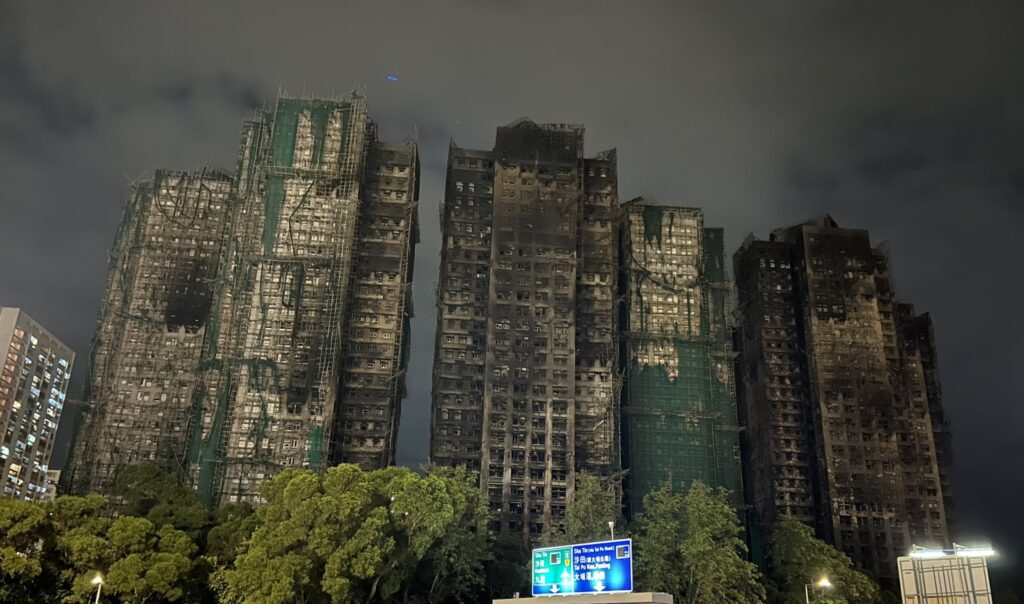
Wang Fuk Court High-Rise Fire: Critical Lessons for Fire Prevention and Building Design The tragic blaze at Hong Kong’s Wang Fuk Court apartment complex in Tai Po has deeply shaken the region. As of this writing, more than 150 lives were lost, dozens injured or missing, and thousands displaced; the scale of human impact is heartbreaking and demands urgent reflection. While investigators work to determine how the fire ignited and spread so rapidly, these questions form only part of a larger conversation. Major fire events rarely result from a single cause—they arise when multiple weaknesses converge. To truly prevent such disasters, we must look at the broader system that supports fire and life safety. Understanding the Complexity of High-Rise Fire Behaviour High-rise fires behave in complex ways. Smoke movement, compartmentation failures, façade behaviour, and ventilation patterns can all accelerate fire growth within minutes. A strong understanding of fire dynamics is essential for designing and maintaining effective protection systems—especially in dense urban environments. Key Issues Highlighted by the Incident Emerging reports from the Wang Fuk Court fire point to several critical areas that warrant attention: Potential Impairment of the Fire Detection SystemEarly indications suggest that the building’s detection system may not have been operational at the time of the incident. If verified, this could have delayed occupant response and evacuation, drastically reducing the available safe egress time. Reliable detection is foundational to life safety—system maintenance and regular testing must be non-negotiable. Combustible Construction Materials Accelerating Vertical Fire SpreadRenovation materials such as construction safety nets, protective foam used at window openings, and bamboo scaffolding appear to have contributed to the rapid, uncontrolled vertical fire propagation. These temporary materials, though common in construction, can inadvertently create pathways for flames to travel swiftly across façades. Reassessing Controls on Construction – Stage CombustibilityThis tragedy underscores the importance of regulating the combustibility of temporary materials used during construction and refurbishment works. Safety nets, foam protection, and similar elements often fall outside the scope of traditional fire assessments. Stricter material selection guidelines, clearer regulatory oversight, and improved contractor awareness are essential steps in strengthening safety during construction activities. Parallels to the Grenfell Tower FireThe similarities between this incident and London’s Grenfell Tower fire are striking—particularly the role of combustible external materials and rapid vertical spread. Both events demonstrate the devastating consequences when fire growth, building materials, and safety system failures intersect under vulnerable conditions. Modern frameworks like the SCDF Fire Code and NFPA remind us that fire prevention depends not just on compliance, but on an integrated network of responsibilities across design, regulation, maintenance, and public awareness. In remembering the victims of the Wang Fuk Court fire, we must turn our grief into action. Strengthening our fire and life safety practices is essential to preventing similar disasters and safeguarding our communities.